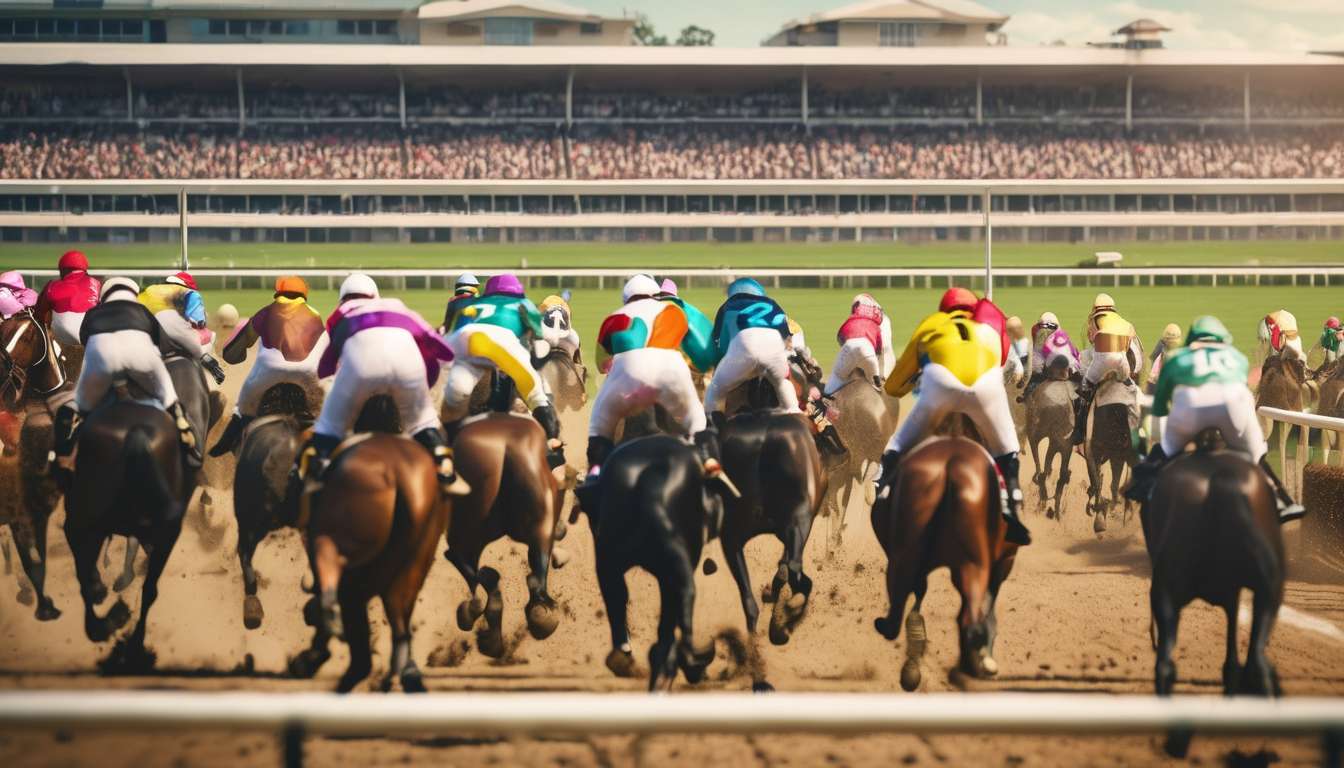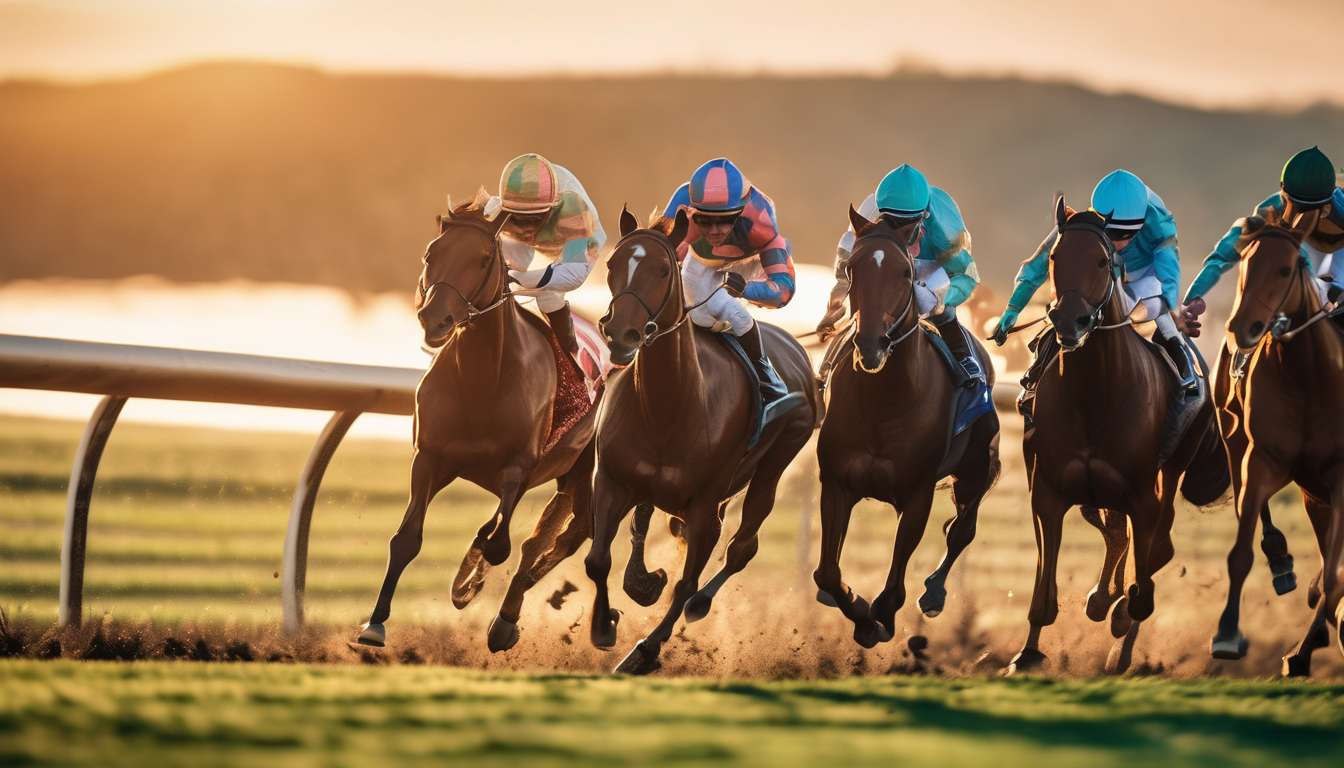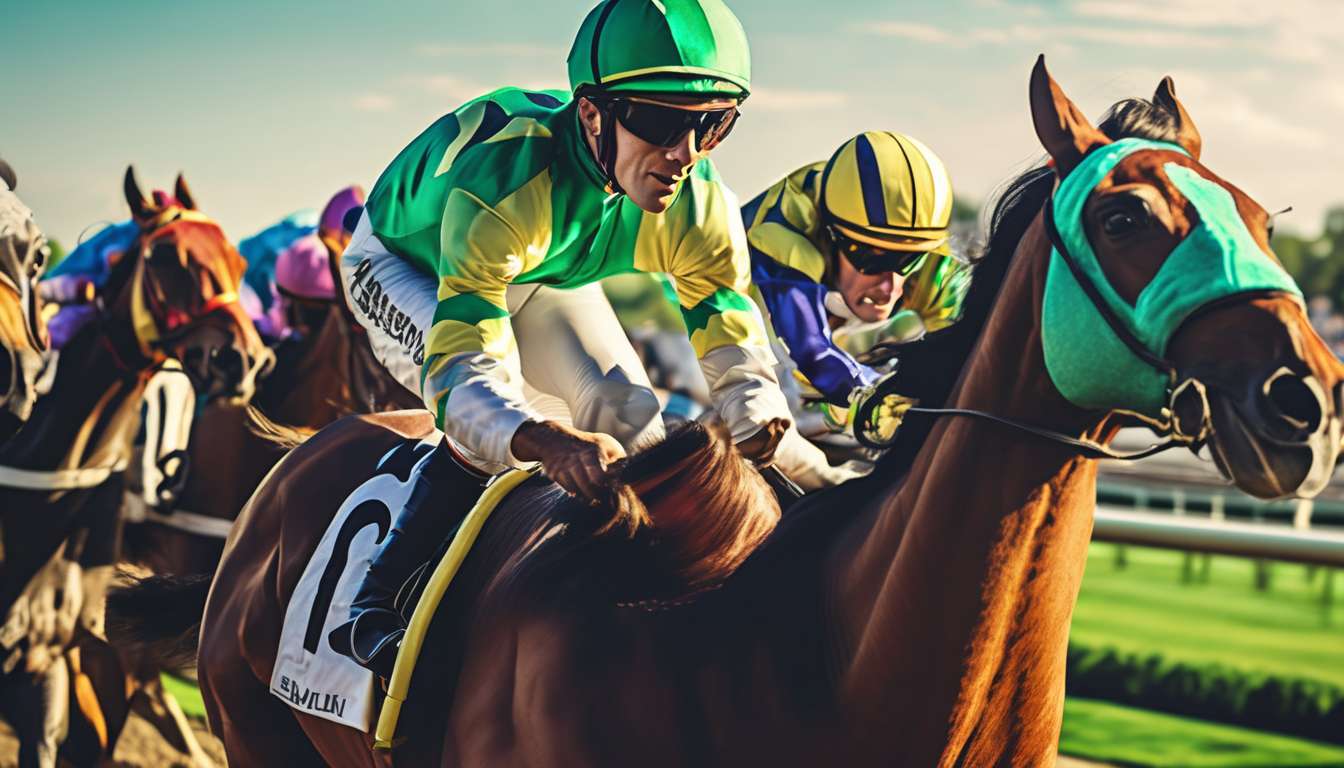
As avid fans of the exhilarating world of horse racing, we find ourselves constantly drawn to the thunderous sound of hooves pounding against the track and the electrifying atmosphere that surrounds each race. It’s a sport steeped in tradition and excitement, where understanding the language is key to fully immersing ourselves in the experience.
Whether we’re seasoned enthusiasts or newcomers eager to learn, grasping the basic terminology is essential for truly appreciating the nuances of this thrilling sport. In this article, we will guide you through eight essential terms that every horse racing fan should know.
From understanding the significance of the "post position" to recognizing the importance of the "furlong," these terms will enhance our appreciation and deepen our connection to the races.
Together, let’s explore these foundational elements that will transform us from casual spectators into knowledgeable fans, ready to enjoy the thrilling world of horse racing to its fullest.
The Post Position
The Importance of Post Position in Horse Racing
The post position is crucial in horse racing because it can significantly influence a horse’s chances of winning. Where a horse starts on the track can impact its performance in several ways.
- If a horse draws an inside post, it might have an advantage by having a shorter distance to the rail. This allows the horse to conserve energy and set the pace.
- However, a post position too close to the rail can also result in the horse getting boxed in by others, making strategic movement tricky.
Handicapping and Post Position
When handicapping, we consider the post position as a critical factor. A horse starting from an unfavorable position might face challenges that affect its odds of winning.
- By analyzing past races, we observe patterns where certain post positions consistently yield better results.
- This understanding helps us make informed decisions, boosting our sense of belonging within the horse racing community.
Together, we can use this knowledge to enhance our enjoyment and potential success at the races.
Understanding Odds
In horse racing, understanding the odds is essential for making informed betting decisions and enhancing our overall experience at the track. Odds reflect the likelihood of a horse winning a race and help us assess the potential payout of our bets, allowing us to choose wisely.
When we gather with fellow fans, we share in the excitement of deciphering these odds. Key factors such as post position and handicapping play significant roles in influencing our betting choices:
-
Post position: This refers to the starting gate location of a horse. A favorable post position might mean better odds and a stronger chance of winning.
-
Handicapping: This involves analyzing a horse’s past performances to predict outcomes and make strategic bets.
By connecting with others who share our passion, we exchange insights on odds and handicapping, strengthening our sense of community.
Together, we immerse ourselves in the thrilling world of horse racing, where understanding the odds deepens our enjoyment and success at the track.
Types of Bets
There are several types of bets we can explore to diversify our horse racing experience and potentially increase our winnings. Let’s dive into some popular ones.
Straightforward Bets:
- Win Bets: We pick the horse we believe will finish first.
- Place Bets: We win if our horse finishes first or second.
- Show Bets: We are rewarded if our horse finishes in the top three.
Advanced Bets:
- Exacta: Predict the first two finishers in exact order.
- Trifecta: Predict the first three finishers in exact order.
Understanding post position and odds is crucial here, as they can influence race outcomes.
Handicapping is the art of analyzing past performances, post positions, and other factors, which helps us make educated wagers.
By pooling our knowledge and sharing insights, we forge a deeper connection with fellow enthusiasts. Together, we can make informed decisions and enhance our collective experience.
Furlongs and Distances
Understanding Race Distances
Understanding the different race distances, typically measured in furlongs, is key to evaluating a horse’s performance and crafting our betting strategy.
- A furlong equals one-eighth of a mile.
- Knowing how many furlongs a race covers helps us gauge a horse’s stamina and speed.
As we delve into the world of horse racing, these details help us feel a part of the community, discussing strategies with fellow fans.
Considering Post Position
When we consider a horse’s post position, we need to understand how it might affect its performance over specific distances.
- A horse starting on the inside post might have an advantage in shorter races.
- Longer distances might allow those starting further out to gain ground.
By factoring in these elements, we improve our handicapping skills, enabling us to make more informed bets.
Assessing the Odds
Finally, knowing the odds can guide us in assessing the likelihood of a horse’s success at varying distances, enhancing our overall experience and sense of belonging.
Jockey’s Role
A skilled jockey can significantly influence a horse’s performance by expertly navigating the racecourse and making strategic decisions during the race. A jockey’s ability to guide a horse from the starting gate, considering the post position, is crucial. By understanding the horse’s strengths and weaknesses, a jockey maneuvers through the pack, finding the best path to victory.
Our shared excitement grows as we consider how jockeys impact the odds. A top jockey’s reputation can sway handicapping decisions, altering the perceived chance of a horse’s success. We feel a sense of camaraderie when discussing these factors, recognizing that the jockey’s choices are pivotal to the drama unfolding on the track.
Together, we appreciate the jockey’s role in timing the final push to the finish line. Their skill in assessing the race’s pace and the competition’s moves often determines the outcome, making each race a thrilling spectacle for us all.
Trainers and Owners
Trainers and Owners’ Roles
Trainers and owners play a pivotal role in horse racing, meticulously preparing and managing their horses to maximize performance on race day. Together, they form the backbone of a winning team, ensuring that every detail is attended to.
Trainers’ Responsibilities
The trainer’s expertise in conditioning and strategy is crucial. Their responsibilities include:
- Deciding on training regimens
- Developing race tactics
- Selecting the optimal post position for their horse
Owners’ Contributions
Owners invest not only financially but emotionally, standing by their horses through every high and low. They are deeply involved in decisions that could affect the odds, such as:
- Choosing races that suit the horse’s strengths
- Analyzing odds
- Engaging in handicapping
Community and Passion
There is a shared passion for the sport that creates a community where trainers, owners, and fans unite in pursuit of victory. We understand the camaraderie and dedication it takes to bring a horse to the starting gate, ready to compete, and the anticipation of hoping for a favorable outcome.
Handicapping Basics
Handicapping is an essential skill in horse racing, allowing us to evaluate a horse’s potential performance by analyzing various factors such as past races and track conditions.
As a community of racing enthusiasts, we dive into the intricate details that can influence a race’s outcome. One important factor we consider is a horse’s post position:
- A good post position can provide a strategic advantage.
- A less favorable position might pose challenges.
Moreover, we pay close attention to the odds provided by the track, which reflect public perception and betting patterns. By understanding how odds are set, we can:
- Gauge which horses are favored.
- Identify overlooked gems.
Handicapping isn’t just about numbers and stats; it’s about connecting with the sport, sharing insights, and making informed decisions together.
As we hone our handicapping skills, we become more engaged and connected members of the horse racing community, fueling our passion for the sport.
Stewards and Inquiries
In horse racing, stewards play a crucial role in maintaining fairness and integrity by overseeing races and addressing any inquiries or disputes that arise. We, as fellow fans, appreciate their efforts in ensuring every race runs smoothly.
Responsibilities of Stewards:
- Ensure that all horses start from their designated post positions.
- Monitor the race’s outcome to ensure fairness.
- Intervene when something seems off, such as:
- A questionable move by a jockey.
- An apparent foul on the track.
When inquiries occur, stewards:
- Review footage.
- Gather information.
- Make informed decisions.
These inquiries can impact odds and our handicapping strategies, as they might lead to disqualifications or changes in race results.
We, as part of the racing community, rely on stewards to uphold the sport’s integrity, ensuring our betting and enjoyment remain rooted in fairness. Their decisions often influence how we approach future races, making sure we all have an equal shot at success.
What are the most prestigious horse racing events around the world?
We love discussing the most prestigious horse racing events around the world! Some of the top races include:
- Kentucky Derby
- Royal Ascot
- Prix de l’Arc de Triomphe
- Dubai World Cup
- Melbourne Cup
These events attract top horses, jockeys, and trainers from all corners of the globe, creating an electrifying atmosphere filled with excitement and competition.
Each race has its own unique history and charm that captivates fans worldwide.
How is a horse’s performance affected by different track surfaces?
When a horse runs on different track surfaces, their performance can vary significantly. Track conditions such as dirt, turf, or synthetic impact how a horse moves, its speed, and stamina.
- Horses may excel on one surface but struggle on another.
- Trainers and jockeys need to understand these differences to adjust their strategies accordingly.
Ultimately, the track surface plays a crucial role in determining a horse’s success in a race.
What are the common health issues that racehorses face during their career?
As fans of horse racing, we recognize that racehorses face various health issues during their careers.
Common Problems:
- Musculoskeletal injuries
- Respiratory issues
- Digestive disorders
These issues can arise due to the intense training and physical demands placed on these magnificent animals.
Ensuring Well-being:
It is essential for owners, trainers, and veterinarians to work together to ensure the well-being of racehorses throughout their competitive careers.
Conclusion
You’ve now got the basics down pat! With these essential terms in your back pocket, you’re well on your way to enjoying horse racing like a seasoned fan.
Keep exploring the sport:
- Place bets
- Cheer on your favorite horses
Remember, the excitement of the track awaits you, so dive in and immerse yourself in the thrilling world of horse racing.
Enjoy the ride!