In the exhilarating world of competitive running, we often find ourselves captivated by the contrasting strategies athletes employ to cross the finish line first. As spectators and enthusiasts, we are drawn to the dynamic interplay between early speed and the closing kick, two distinct racing styles that can define the outcome of a race.
Together, we embark on an exploration of pace analysis, delving into the intricacies of these strategies and their impact on performance. We will examine how athletes harness their strengths:
- The explosive power unleashed at the start
- The strategic reserve that fuels a final sprint
By understanding these approaches, we gain insight into the mental and physical preparation required for each style, offering us a deeper appreciation for the art of racing.
Join us as we analyze the factors that influence these styles and discover what it takes to master the balance between early speed and a powerful closing kick.
Harnessing Explosive Early Speed
In pace analysis, we focus on harnessing explosive early speed to gain a competitive advantage from the start. We know the thrill of breaking away from the pack, feeling the rush of wind as we take the lead.
It’s not just about going fast; it’s about crafting a strategy that positions us ahead, making others chase our pace. We understand that early speed requires a blend of natural talent and tactical insight, allowing us to dictate the race dynamics.
By mastering this art, we create a sense of unity and belonging within our team, sharing in the collective excitement and determination. Together, we explore our limits, pushing boundaries while maintaining enough endurance to sustain our lead.
It’s a delicate balance, yet we thrive on this challenge. By focusing on early speed, we’re not just racing—we’re setting the tone, showing others what it means to be relentless from the very first stride.
Building Endurance for the Kick
To unleash a powerful kick at the race’s climax, we need to diligently build our endurance throughout the competition. Our strategy isn’t just about maintaining early speed; it’s about harnessing energy for that final, decisive push.
We belong to a community that values both early speed and the art of a well-timed kick. By focusing on endurance, we ensure we have the stamina to execute our plan effectively.
In our training, we emphasize a balance between speed work and endurance drills. These workouts are designed to condition our bodies to handle the demands of maintaining early speed while conserving energy for the end. Our training regimen includes:
- Intervals
- Long runs
These exercises help us sustain a strong pace and prepare us for that critical moment when the finish line is in sight.
Let’s remember, our shared goal is to remain strong and united in our pursuit. Building endurance is the key strategy that allows us to achieve a victorious closing kick.
Mental Fortitude in Early Sprinting
Harnessing Mental Fortitude
Harnessing our mental fortitude during the race’s initial sprint is crucial for setting a strong foundation and maintaining focus throughout the competition. In those first exhilarating moments, our belief in our ability to leverage early speed can make all the difference.
Team Strategy and Trust
- As a team, it’s essential we trust in our collective strategy.
- Each stride taken with purpose contributes to our endurance.
- Running together, we share an unspoken bond and a shared commitment to pushing through the challenge that binds us.
The Power of Mental Strength
We can’t underestimate the power of mental strength in these initial stages. It’s not just about physical capability; it’s about convincing ourselves that we’re prepared to lead the pack. By solidifying our early advantage, we lay the groundwork for the entire race.
Clear Race Strategy
- Start strong.
- Set a pace that others will struggle to match.
- Embrace the challenge collectively.
Conclusion
Knowing that our mental fortitude is just as critical as our physical prowess, we can confidently face the competition.
Strategic Planning for Late Surge
In the final stages of the race, we must meticulously execute our planned surge to outpace our competitors and secure victory. Our strategy hinges on understanding the interplay between early speed and endurance.
While others may expend their energy early, we conserve ours, ready to unleash a powerful finish. This approach requires:
- Precise timing
- A shared belief in our plan
Our team’s unity strengthens our resolve. We know that by resisting the urge to match the initial burst, we preserve energy crucial for the closing kick. It’s not just about speed; it’s about strategic pacing, where every stride is calculated.
We rely on each other, trusting that our collective endurance will carry us through the final stretch.
As we approach the last leg, we shift gears, tapping into our reserved strength. Our camaraderie fuels our determination, knowing that together, we can overcome any lead established by early speed, ensuring our place at the forefront.
Training for Quick Start Acceleration
To master quick start acceleration, we focus on explosive power drills that enhance our ability to burst from the start line with maximum speed.
We understand that early speed isn’t just about raw power; it’s about channeling energy efficiently. Our training sessions include:
- Plyometric exercises
- Short sprints
These activities build the explosive strength vital for a powerful launch. As a community, we embrace these rigorous routines because they not only boost our starting speed but also bond us through shared challenges.
Incorporating endurance into our strategy is crucial. Quick starts can deplete energy reserves, so we train to maintain performance over the distance.
Interval training helps us balance speed with stamina, ensuring we don’t fade too soon. By working together, we learn to synchronize our efforts with a strategic plan that combines early speed with sustained energy.
As a team, we craft an approach that fosters individual growth and collective success, making us feel truly connected in our pursuit of greatness.
Timing the Final Kick to Perfection
Mastering the perfect timing for our final kick involves analyzing race dynamics and conserving energy for that crucial last surge.
We need to be keen observers of our competitors’ early speed and adapt our strategy accordingly. When others start strong, we don’t panic; we harness our endurance by maintaining a steady pace while keeping something in reserve. Our strategy isn’t just about watching others—it’s about understanding our own strengths and knowing when to unleash them.
As we approach the final stretch, our focus sharpens. We’ve saved just enough energy to explode forward, overtaking those who spent theirs too soon. Timing is everything.
It’s essential to:
- Avoid kicking too early, as this risks burnout.
- Avoid kicking too late, as this means missing our opportunity.
It’s a dance—a balance of patience and aggression that requires practice and intuition.
Together, we learn from each race, refining our strategy and building a sense of camaraderie. We’re in this journey as a team, sharing in the triumphs and learning from our experiences.
Balancing Aggression and Patience
Finding the Right Balance
Finding the right balance between aggression and patience is crucial for us to excel in any race. It’s not just about starting strong with early speed; it’s also about ensuring we’ve got the endurance to finish strong.
- Together, we can develop a strategy that optimizes our strengths and minimizes our weaknesses.
- By understanding when to push the pace and when to conserve our energy, we create a race plan that feels natural and empowering.
Team Support and Growth
We know that being part of a team means supporting each other’s growth and development. As we perfect our balance between aggression and patience, we not only elevate our individual performances but also strengthen our collective spirit.
- Our shared experiences and insights help us recognize the moments when patience is key and when a burst of speed can make all the difference.
Shared Purpose and Success
By embracing this balanced approach, we’re not just racing for ourselves; we’re racing together, with a shared purpose and vision for success.
Analyzing Race Dynamics and Execution
To master race dynamics and execution, keen observation of shifts in pace and strategy adjustment are essential. As a community of racers and enthusiasts, it’s crucial to unite our insights on early speed and endurance. Understanding when to unleash that initial burst of energy and when to conserve stamina for a powerful finish isn’t just a skill—it’s an art form we refine together.
Our strategy must evolve as the race unfolds, responding to the unique flow of each event.
- Early speed can set the tone, but if we expend too much energy too soon, our endurance may falter.
- Conversely, holding back too long might mean we miss the chance to lead.
By analyzing these dynamics, we can execute a balanced approach that maximizes our strengths.
Together, we’ll dissect these nuances, sharing experiences and refining our tactics. In doing so, we strengthen our collective ability to excel, creating a sense of belonging and shared success.
How do environmental factors like weather and track conditions affect early speed and closing kick strategies?
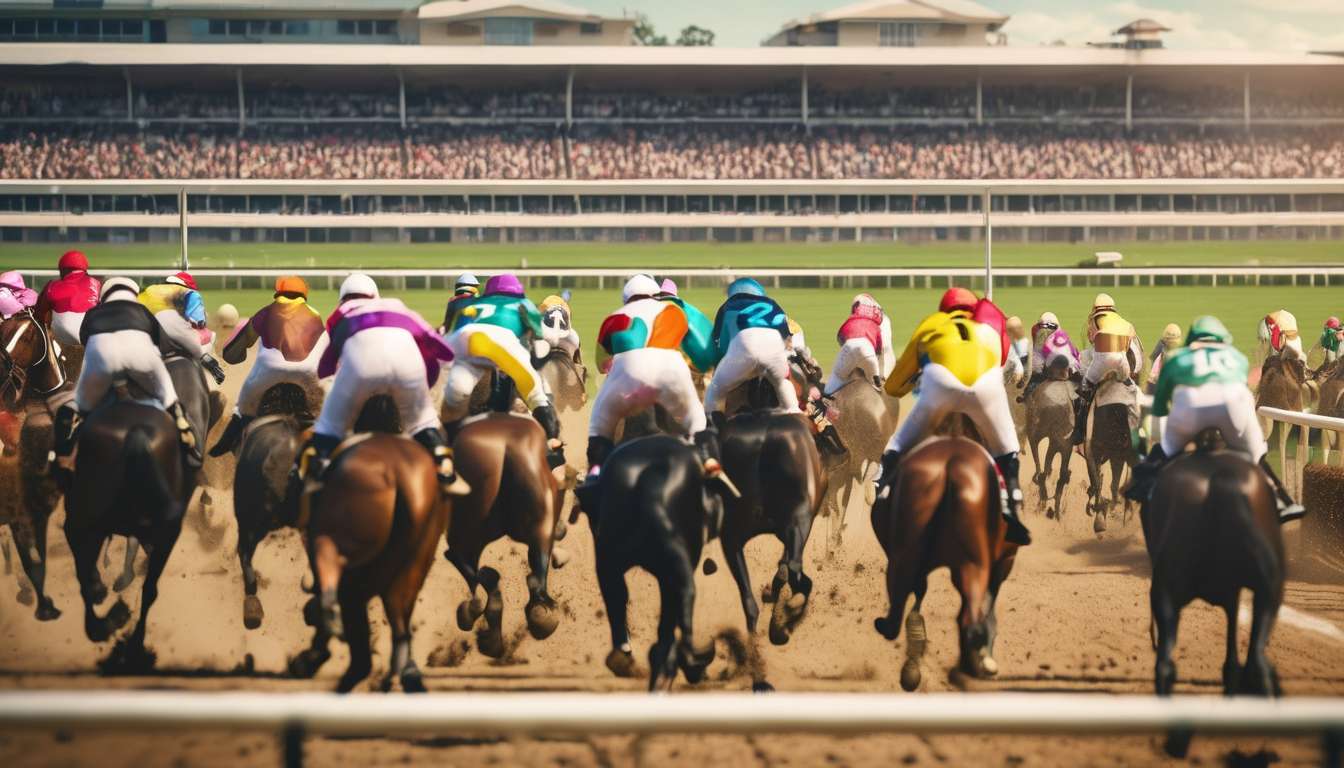
When we consider early speed and closing kick strategies in horse racing, it’s crucial to acknowledge how environmental factors such as weather and track conditions play a significant role.
These conditions can impact the pace of the race, affecting:
- How horses position themselves
- When they make their move
Understanding how weather and track conditions influence strategy allows us to adapt and make informed decisions to maximize our chances of success on race day.
What role do genetics and physical attributes play in determining an athlete’s natural inclination towards early speed versus a closing kick?
Genetics and Physical Attributes
Genetics and physical attributes greatly influence our natural inclination towards early speed or a closing kick. It’s fascinating how our bodies are wired differently, shaping our racing styles.
Early Speed Specialists
Some of us are blessed with quick twitch muscles that excel in short bursts. These muscles make us early speed specialists.
Endurance-Focused Traits
Others may have endurance-focused traits that allow for a strong finish.
Embracing Unique Strengths
Embracing our unique strengths can lead to success on the track.
How can diet and nutrition specifically influence an athlete’s ability to maintain stamina for either an explosive start or a strong finish?
Diet and Nutrition for Athletic Performance
When it comes to maintaining stamina for either an explosive start or a strong finish, diet and nutrition play a crucial role in our performance. By fueling our bodies with the right nutrients, we can ensure that we have the energy and endurance needed to excel in our athletic pursuits.
Key Nutritional Strategies:
-
For an explosive start:
- Focus on quick-energy carbohydrates.
- Incorporate easily digestible foods before activities.
-
For a powerful finish:
- Prioritize long-lasting energy sources like complex carbohydrates.
- Ensure adequate protein intake for muscle recovery.
Smart Eating Choices:
- Carbohydrates: Choose whole grains, fruits, and vegetables to provide sustained energy.
- Proteins: Include lean meats, beans, and legumes to support muscle repair.
- Fats: Opt for healthy fats from nuts, seeds, and avocados to support endurance.
Making these smart choices about what we eat can make a significant difference in how we perform, whether we’re focusing on an explosive start or a powerful finish.
Conclusion
As you navigate the intricacies of pace analysis, remember to harness your strengths and work on your weaknesses.
Develop a balance between:
- Explosive early speed
- A strong closing kick
Ensure you have the endurance and mental fortitude to execute your race strategy effectively.
With strategic planning, training, and a keen eye on race dynamics, you can maximize your performance on the track.
Stay focused, stay disciplined, and keep pushing yourself to reach your full potential.